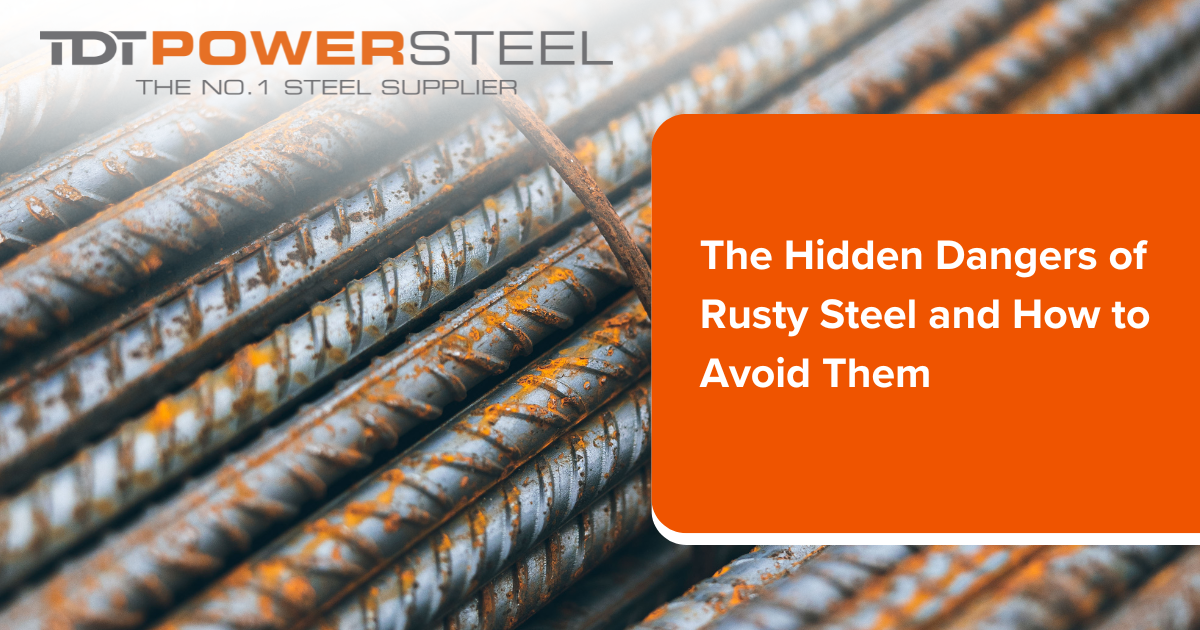
Rust might seem like a minor issue, but for steel structures, it can be a serious threat. Rust weakens steel, compromises safety, and leads to costly repairs or replacements.
Rust is the result of iron reacting with oxygen and moisture. It gradually eats away at steel, reducing its strength and load-bearing capacity. Here are some dangers of rusty steel:
- Weakened Structures: Rust reduces the thickness of steel, making it less capable of supporting weight and resisting pressure.
- Safety Risks: Bridges, buildings, and other structures made from rusty steel can fail without warning, putting lives at risk.
- Increased Costs: Fixing or replacing rusty steel components is expensive and time-consuming, resulting in delays and a higher project budget.
Common Causes of Rust in Steel
- Moisture and Humidity: High humidity accelerates rust formation, especially in coastal areas.
- Salt Exposure: Salt from seawater or de-icing salts speeds up corrosion significantly.
- Neglecting Maintenance: Without regular maintenance, even high-quality steel can start to rust over time.
Maintenance Tips to Prevent Rust
- Regular Inspections: Check for signs of rust and address them promptly to prevent further spread.
- Proper Storage: Store steel in dry, covered areas to minimize exposure to moisture.
- Apply Protective Coatings: Regularly reapply anti-rust coatings to prolong the life of your steel.
Rust can cause severe damage to your structures and your budget. By choosing high-quality steel product options from TDT POWERSTEEL, you can avoid these risks and ensure your investments last.